
I can run. Not particularly quickly, and nobody from Team GB needs to start worrying, but I can technically put one foot in front of the other fast enough for it to count as running. That doesn’t make me a runner.
I can also cook. I can make a banging omelette, a passable roast dinner and several meals involving chicken that taste suspiciously similar despite supposedly being completely different recipes. I’m definitely not a chef.
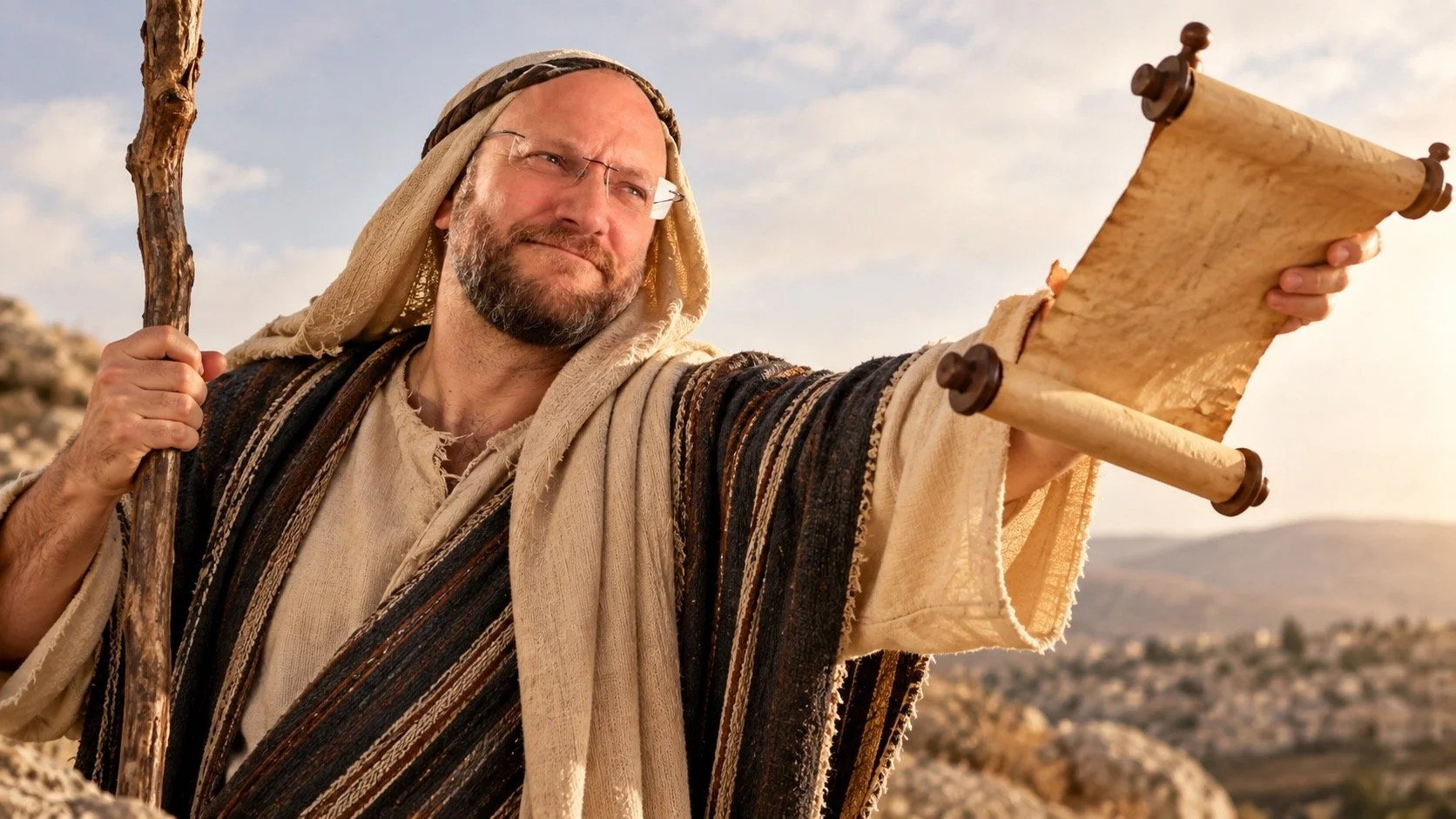
So here’s my question. If I prophesy, does that make me a prophet?
Because I think we can sometimes blur the lines between doing something, being gifted at something, having a recognised ministry in something and carrying a title for something. And I’m not sure the Bible treats those things as though they’re all the same.
Questioning Your Own Tribe
Before we go any further, I should probably put my cards on the table. I’m part of ChristCentral, one of the spheres within the wider Newfrontiers family of churches. I love the church family I’m part of. I’m grateful for it, I’ve been shaped by it, and I share its belief that the gifts of the Holy Spirit are for today and that the ministries Paul describes in Ephesians 4 still matter.
So this isn’t me throwing rocks over somebody else’s theological fence. I’m standing inside the fence asking what the fence is made of.
And I think that’s healthy. We all inherit theology. Some comes from sermons and books. Some comes from denominations, parents, movements and networks. And some of it just quietly seeps in until we stop noticing it’s even there. It simply becomes the way we do things.
But loving your church tradition doesn’t mean you can’t question the things you’ve inherited from it. In fact, if we really believe the Bible is our final authority, we should keep going back to it and asking: Is this actually what Scripture says?
That isn’t disloyal. Good theology isn’t scared of questions. If something we believe is biblical, digging into Scripture should make us more confident in it. And if we’ve got something wrong, surely we want Scripture to correct us.
That’s why I think the word prophet is worth looking at. I’m not trying to get rid of it. It’s a Bible word. I just want to make sure we mean what the Bible means.
Christ Gave People, Not Just Gifts
Ephesians 4 says:
“So Christ himself gave the apostles, the prophets, the evangelists, the pastors and teachers…” — Ephesians 4:11
Notice Paul doesn’t just say Jesus gave the church prophecy, evangelism, teaching and pastoral care. He gave people. And these people are meant to equip the rest of the church and help it grow.
So prophetic ministry clearly matters. But that leaves us with a question: when does doing something mean you actually are something?
Paul gives us a brilliant example. In 1 Corinthians 14 he says, “For you can all prophesy in turn so that everyone may be instructed and encouraged.” Yet two chapters earlier he asks, “Are all apostles? Are all prophets? Are all teachers?”And the obvious answer is no.
So you can prophesy without necessarily being a prophet.
That feels pretty important.
Gift, Ministry or Title?
Maybe we need a few more boxes. There are things all Christians should do. We should all share the gospel, but that doesn’t make all of us evangelists. We should all care for people, but that doesn’t make all of us pastors.
Then there are spiritual gifts. Paul encourages believers to desire prophecy. The Holy Spirit can give someone something to share for the strengthening, encouragement and comfort of other people.
Then there seems to be recognised ministry. Someone might not just prophesy occasionally. Perhaps there’s a consistent prophetic shape to their ministry. It happens regularly, there’s good fruit, people are helped by it and the wider church begins to recognise that God uses this person in a particular way.
And then there’s the title. That’s where things can get a bit weird, because titles carry weight. They can suggest authority and status. And Christians aren’t magically immune from discovering that adding an impressive word before your name makes your conference bio sound much more exciting.
Maybe the question shouldn’t be, “Can I call myself this?” Maybe it should be, “Is this actually how Jesus regularly uses me to serve his church, and do other people recognise it too?”
People Who Prophesy and Prophets
At Pentecost, Peter quotes Joel: “In the last days, God says, I will pour out my Spirit on all people. Your sons and daughters will prophesy…” Prophecy clearly isn’t reserved for some tiny group of spiritual superheroes.
Paul tells the Corinthians to eagerly desire spiritual gifts, “especially prophecy”, and says prophecy should strengthen, encourage and comfort people. He even says, “you can all prophesy in turn.”
But Ephesians 4 still talks about prophets.
So the Bible seems perfectly happy saying that lots of people can prophesy while also saying that some people are prophets. What’s the difference?
I don’t think it can be one impressive prophetic moment. Neither do I think doing it more often automatically earns you a promotion from person who prophesies to Prophet.
It seems much more likely to be something that becomes clear over time. There’s consistency, character, fruit, maturity, biblical faithfulness, accountability and a willingness to be tested and corrected. And importantly, other mature Christians begin to recognise that this is a significant way God regularly uses that person to strengthen his church.
In other words, perhaps prophet isn’t a title you claim because you’ve discovered your gift. It’s a ministry the church recognises because it has experienced its fruit.
If the only person convinced you’re a prophet is you, I’d probably hold off ordering the hoodie.
Keep Your Brain Switched On
The New Testament never tells us to stop thinking just because someone says they’ve heard from God. Paul tells the Thessalonians:
“Do not quench the Spirit. Do not treat prophecies with contempt but test them all; hold on to what is good.” — 1 Thessalonians 5:19–21
I love the balance in that. Don’t shut down what the Holy Spirit is doing, but don’t swallow everything whole either. Test it.
We can be so scared of getting prophecy wrong that we shut it down completely. But we can also become so excited about prophecy that nobody’s allowed to question anything. Neither seems particularly biblical.
In 1 Corinthians 14, Paul tells the church to weigh what’s being said. So calling someone a prophet should never mean questioning their words feels like questioning God. Prophecy is still tested against Scripture. It’s weighed by the church. And the person bringing it is still accountable.
That becomes even more important when we give someone a title. The danger is that “Person X shared something prophetic”can slowly become “Person X is a prophet,” which can then become “Person X is the prophet, so we'd better listen to them.”
That’s quite a journey.
Being more gifted shouldn’t make you less accountable. If anything, it should make you more humble.
A Prophet Shouldn’t Create Dependence
If prophets are gifts Christ gives to equip the church, then healthy prophetic ministry shouldn’t leave everybody permanently dependent on the prophet.
The aim can’t be to create a church where nobody makes a decision until Barry has had a dream about it.
Healthy prophetic ministry should help the whole church grow in hearing God, knowing Scripture, recognising his voice and responding faithfully to him. The gift should strengthen the body, not build a platform around the gifted person.
That’s true of all the ministries in Ephesians 4. Teachers don’t exist so nobody else needs to understand the Bible. Evangelists don’t exist so nobody else has to share their faith. Pastors don’t exist so nobody else has to care for anyone.
They equip the church.
Why would prophets be different?
So, Should I Call Myself a Prophet?
If you’re wondering whether you should call yourself a prophet, I’d suggest that’s probably a good indication that you shouldn’t.
That’s not because you need more confidence in yourself (usually the opposite), or because prophecy isn’t real. I believe it is. It’s also not because prophets don’t exist. Ephesians 4 gives us very little room to simply pretend that word isn’t there.
It’s because, biblically, prophets seem to be recognised as prophets by other people. It’s not presented as an aspirational title you claim for yourself because you’ve started moving in prophetic gifting. You might prophesy regularly. You might have an obvious prophetic gift. You might even have had people describe you as prophetic for years.
Keep serving. Keep growing.
Keep submitting what you bring to Scripture and the discernment of the church. Keep allowing your character to mature alongside your gifting. Keep using whatever God gives you to strengthen, encourage and comfort other people.
And if God really is raising you up as a prophet, you don’t need to manufacture the promotion yourself. Let him do it.
Let the fruit speak. Let mature leaders recognise it. Let the church experience the benefit of it. If Christ really has given you to his church in that way, you won't need to convince everybody by changing your Instagram bio.
The ministry should become obvious before the title becomes important.
And if you’re still worried about what you should call yourself, I’ve got a suggestion. Go with the name your parents gave you. Let God worry about the rest.
Because I can cook dinner without demanding everyone calls me Chef Dave. I can go for a jog without changing my occupation to Professional Athlete. And I can prophesy without immediately becoming Prophet Dave Brown, First of His Name, Seer of Chester and Discerner of Vibes.
Pursue prophecy & all other spiritual gifts, spend time in prayer asking God to grow you in the measure of gift he has given you, go to prophetic conferences, serve the church. Welcome correction. Grow in character. But let other people worry about what category you fit into.
After all, if you’re genuinely a chef, eventually somebody else will notice the food.