
Sit Down, Be Humble: God Doesn’t Owe You Anything
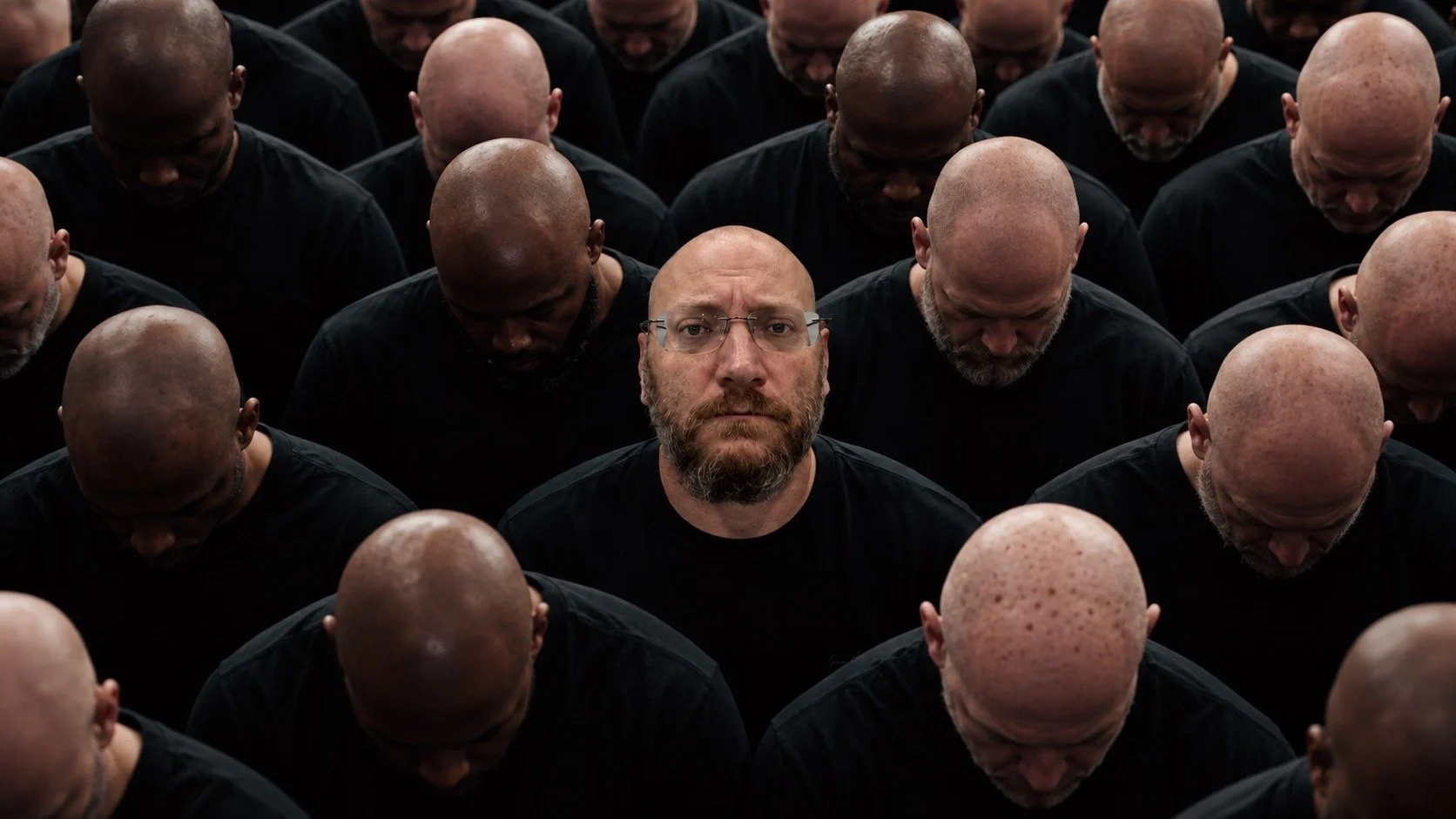
There are few things more dangerous than a Christian who has started to believe God is lucky to have them.
It rarely sounds quite that ridiculous. Nobody looks into the mirror and says, “Honestly, Lord, this was a cracking bit of recruitment.” It sounds more respectable. “People are depending on me. Nobody else will do it properly. After everything I’ve sacrificed, surely I deserve this.” Pride learns to speak fluent Christian remarkably quickly.
This isn’t just a warning for church leaders with book deals and suspiciously white teeth. Pride doesn’t need a platform. It is perfectly happy in an office, a kitchen or the family WhatsApp chat, where it can disguise itself as a strongly worded message about who left the lights on. It appears whenever ordinary believers think our service or good behaviour has made God indebted to us.
So here is a truth we all need: God doesn’t owe you anything. He doesn’t owe you success, recognition, comfort or an explanation. There is literally nothing God has done through you that he couldn’t have done better without you—probably with considerably less faffing. That doesn’t make your contribution worthless; it just takes the legs out from under any basis you might think you have for superiority. Grace is a gift, not leverage.
Pride Never Comes Straight At You
Pride rarely comes at us straight on. If it introduced itself as I Think I’m Better Than Everyone, most of us would show it the door. Instead, it comes sideways carrying a fake ID. The name might be Giving My Best to God, Service or even Humility. The photograph looks suspiciously like us, so we wave it through. Pride disguises control as responsibility, resentment as being unappreciated and the need to win as “standing for truth”.
Then, just when we think we have pride under control, it pulls one final trick. We pat ourselves on the back for becoming so impressively humble and take pride in our mastery over pride. Which is usually when we discover it has been running the meeting, taking the minutes and awarding itself employee of the month. Facepalm.
Paul tells every believer not to think more highly of ourselves than we ought, but to use sober judgement (Romans 12:3). Pride doesn’t always say, I am amazing. More often, it acts as our defence lawyer and everybody else’s prosecuting barrister. My mistake comes with context, pressure, childhood history and possibly adverse weather conditions. Yours is apparently evidence of a deep character flaw.
Paul asks an exquisitely uncomfortable question: “What do you have that you did not receive?” (1 Corinthians 4:7). Your intelligence, opportunities, strength and ability to make people laugh—or at least produce a polite church chuckle—are gifts. Even the discipline with which you developed them rests upon breath, time and grace you didn’t create. You may have worked hard, but the raw materials never originated in you.
When Faithfulness Becomes an Invoice
Humility is tested severely when life hurts. We pray, give and try to remain faithful, but the healing doesn’t come, the relationship ends or the door stays shut. Eventually a dangerous thought forms: After everything I’ve done for God, is this how he repays me?
It isn’t proud to grieve. It isn’t wrong to ask God why, and the Psalms give us plenty of permission to lament without tidying our emotions first. But lament brings our pain to God; entitlement presents him with an invoice. One says, “Father, I don’t understand.” The other says, “You have failed to give me what I earned.”
Romans 11 asks, “Who has ever given to God, that God should repay them?” (Romans 11:35). The answer is nobody. God binds himself to his promises, but our service never puts him in arrears. Faithfulness is not a vending machine where we insert obedience, select our preferred blessing and kick the side when nothing drops. Nor do ten good deeds earn one free act of disobedience. Everything we have, including our best obedience, is mercy.
Public Humility, Private Pride
This would all be funny if pride only made us mildly irritating. It doesn’t. This is what makes the revelations about Ravi Zacharias so sobering. Publicly, he appeared gentle and humble. Yet an independent investigation commissioned by RZIM found credible evidence of sustained sexual misconduct and abuse. His public manner concealed something profoundly different.
According to the report, one woman said Zacharias warned her that speaking out could damage his ministry and leave her responsible for souls that might not be reached. The logic is horrifying: God needs my reputation more than he requires my obedience. My usefulness matters more than the person I harmed. The women he abused were not collateral damage in defence of a ministry. They mattered to God more than any reputation or organisation.
His behaviour was extreme, and this is not an attempt to compare his abuse with our everyday impatience or insecurity. But the root lie is one any of us can believe: I am too important for the normal rules to apply. It grows whenever past faithfulness becomes an excuse for present sin, or we think the good we do should protect us from honest questions. Nobody becomes too useful to repent.
Humility Is Not Pretending You’re Rubbish
False humility is even trickier because it sounds holy. People occasionally thank me after I’ve led worship. My standard reply used to be, “Nothing to do with me. That was all God.” Full stop. No room to receive encouragement or admit I had played any part.
Then one day somebody replied, “It wasn’t that good, mate.”
And there it was. If I truly believed my contribution was irrelevant, that shouldn’t have bothered me. But something inside immediately wanted to explain that it had, in fact, been pretty good. Unbeknownst to me, false humility had slipped in. Somewhere underneath, I wanted them to disagree and tell me how gifted I was.
Real humility tells the truth: I have gifts, and every one was received. I can contribute without becoming the measure of everybody else. I can act with confidence and still be wrong. The test is whether I can receive encouragement without pretending, and correction without producing a PowerPoint entitled Important Context.
So yes, boast—but boast properly. “Let the one who boasts boast in the Lord” (1 Corinthians 1:31). Celebrate what God has done through you. Receive encouragement without pretending you contributed nothing. Then remember who gave the gift, opened the door and produced the growth.
In the words of that celebrated spiritual director Kendrick Lamar: sit down, be humble.
Not because you are worthless, but because you are not the exception. You stand on the same level ground at the foot of the cross as everybody else: a recipient of mercy with nothing to prove and no private throne to protect. Humility is not disappearing. It is taking your proper place—under Christ, alongside his people, open to correction and quick to repent.
God doesn’t owe you anything. You owe him everything. And when something genuinely wonderful happens through you, by all means boast. Just make sure the name on your lips is Jesus.